Celine Dion’s documentary on Amazon, I Am: Celine Dion, was an unexpectedly funny and moving experience. There is a truly harrowing moment near the end where the cameras catch the onset of a Stiff Person Syndrome episode, which leaves Celine lying paralyzed and terrified on a table as her physio and medical team try to coax her through it. She is visibly trapped inside her own body; I held my breath the whole time. It’s remarkable footage, and it made her triumphant return at the Paris Olympics even more emotional.
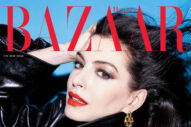
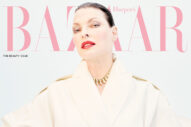
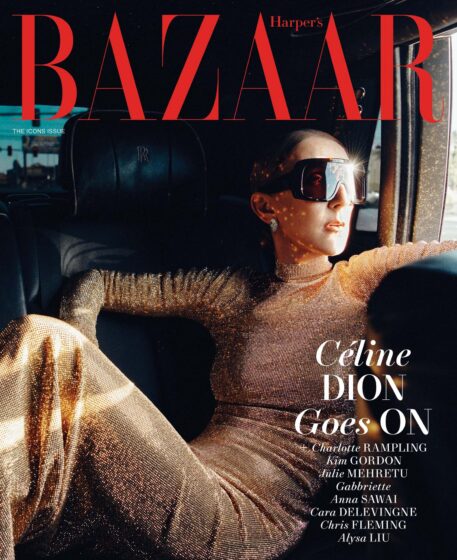
Now, Celine is about to embark upon a slew of sold-out performances in Paris, and is on the cover of Harper’s Bazaar — as part of its annual Icons issue — announcing her reclamation the life she had to tuck away while she tried to cope with this unpredictable, incurable neurological disorder. I saw this and thought, “Wow, Vogue fucked up, missing out on Celine Dion.” Jazmine Hughes’s cover story is an elegantly written tribute that also manages to get this corny-ass metaphor out of Celine that is so perfectly her:
She continued isolating for three more years, in part because she didn’t want fans to see her and assume that she was having a full, happy life but still canceling on them. During this time, she fell in love with nature. “I love trees so much, and I had this vision of myself trying to disappear through the leaves,” she says. But it was fall, and the leaves fell, so everyone could see her, their baskets in hand. She couldn’t produce the apples they’d always come to her for. “I was trying to tell them, I’m sorry, I don’t have any apples to give you anymore.” Then she heard a voice: “But we did not come for the apples; we came for the tree.”
I assume next she will release a book called The Dao of Dion. Celine has a lot of personality — she’s wacky, she’s dramatic — and for the most part only “dramatic” comes out in these photos. Even with the flexibility and mobility work she’s been doing, I don’t know what the limitations of her condition are (if they still exist), so it’s hard to gauge the posing. But there ARE capes.